Showing posts with label Africa. Show all posts

Wednesday, 16 August 2017

This year so far from Eurohouse - African Days and study trips

Articles

In the beginning of 2017 the article column in Lithuanian daily “Lietuvos žinios” was continued and articles appeared once a week on both printed and electronic versions of the news outlet.
In spring 2017 the new cooperation with Lithuanian second biggest news portal 15min.lt took place and a separate column The World as You See It was initiated in the portal www.15min.lt.
Articles covered the following topics: experiences of Tajik and Pakistani origin people in their native country and Lithuania, political, ecological and religious situation of Ghana, involvement of Afghani youth in film making, elections in Nigeria, traditional Bathika in Indonesia, volunteering in Kenya and Ghana, women’s rights in Mexico and other.    


Study trips
Uganda
5-16 March journalist Goda Jurevičiūtė from the national daily Lietuvos žinios participated in the study trip to Uganda organised by project leading partner Mondo. The trip was followed by the articles published in the above daily on coping with postwar issues and revitaliation of former soldiers in Uganda as well as chess trainer and his work with young people in Uganda. Other articles will be published in the second half of the year as well as informal public discussion will be organised on the journalist’s experience in Uganda.

Philipines
Lithuanian MP Virginijus Sinkevičius participated in the study trip to Philipines for politicians organised by project partner organisation PIN. In cooperation with Lithuania’s MFA meeting with Honorary Consul of the Republic of Lithuania was organised there. As a follow-up of the visit, Mr Sinkevičius organised a briefing to MFA officials so that ensure sustainability and strengthening diplomatic relations with Phillipines. In autumn a number of publicity measures a planned such as public discussion, appearance in electronic and printed national media.

Training in Helsinki

Young freelance journalist Auksė Podolskytė took part in the  training in Helsinki organized by partner organisation VIKES. During the training Auksė has improved her knowledge and skills on reporting on developing countries and issues related to development. Auksė has joined the project team and volunteers as reporter preparing articles for the special column in the national news portal 15min.lt.

African Days’ Events

Number of events were organised on May 22-28 in cooperation with Lithuania’s Ministry of Foreign Affairs and other partners and were promoted with the help of outdoor posters, participation in the national radio program, social media. House of Europe implemented  the following events: 3 films’ screenings, forum theatre performance about African immigrant life in Lithuania and the discussion afterwards, slam poetry evening which included competition, discussion on Neoliberal Moral Economy and Africa, public lecture by Elva Narcia “Information saves lives – working on humanitarian news in South Sudan”, public lecture by dr. Jorg Wiegratz “Power and morals: capitalism, fraud & social harm”.

Screening of documentaries

Three documentaries of the project partners, namely  Market economy about Ethiopian market and its daily routine and Conciousness In Mobiles about Kenya and usage of innovative technologies in the development produced by Estonian TV ERR as well as documentary about mountain gorrilas Mountain spirits produced by Latvian producer Woodpecker films. The screening took place in the cinema boutique Pasaka.

Lectures and roundtables
Mexican journalist Elva Narcia gave a lecture and facilitated discussion with journalism students at the Vilnius University institute of Journalism on reporting on development and her personal experience in Afghanistan and South Sudan. The lecture followed by an interview and an article in news portal 15min.lt

Public lecture by Jörg Wiegratz

On the occasion of International Africa Days, dr. Jorg Wiegratz gave a lecture „Power and morals: capitalism, economic fraud and social harm in Africa and beyond“.  Jörg Wiegratz is Lecturer in Political Economy of Global Development at the University of Leeds. He researches the political economy and moral economy of neoliberalism in Africa and elsewhere. In the seminar, he argued that capitalism is a moral order and moral economy, i.e. has a moral grammar. Capitalism’s moral order, together with its political-economic order, has over the last centuries produced vast social harms in numerous places, from large-scale colonial slavery, imperial wars, and workplace injuries and deaths, to climate change effects. J.Wiegratz focused on one particularly relevant case: the massive and increasing levels of economic fraud in many countries across the world, including in sub-Saharan Africa.

Forum theatre performance
Forum theatre performance was organized on the issues of Nigerian newcomer life in Lithuania challenging Lithuanian attitudes towards newcomers and developing countries. After the performance roundtable discussion with migration expert, journalist having experience in Nigeria and Ghana as well  as original Nigerian residing in Lithuania took place. During the discussion experts shared their insights into how developing countries and their inhabitants are seen by Lithuanian population, what could be done in order to change negative attitudes and raise awareness.

Discussion “Neoliberal moral economy: origins and operations”

In the discussion dr. Jorg Wiegratz discussed the neoliberal moral economy and its’ impacts around the world with the Vilnius University academics: dr. Vytautas Kuokštis and dr. Rūta Žiliukaitė. The discussion focused around the topic is it neoliberalism to blame for global social and economic injustice, fraud and power asymmetry.
Discussion “Neoliberal moral economy: origins and operations”

Informal discussions about developing countries

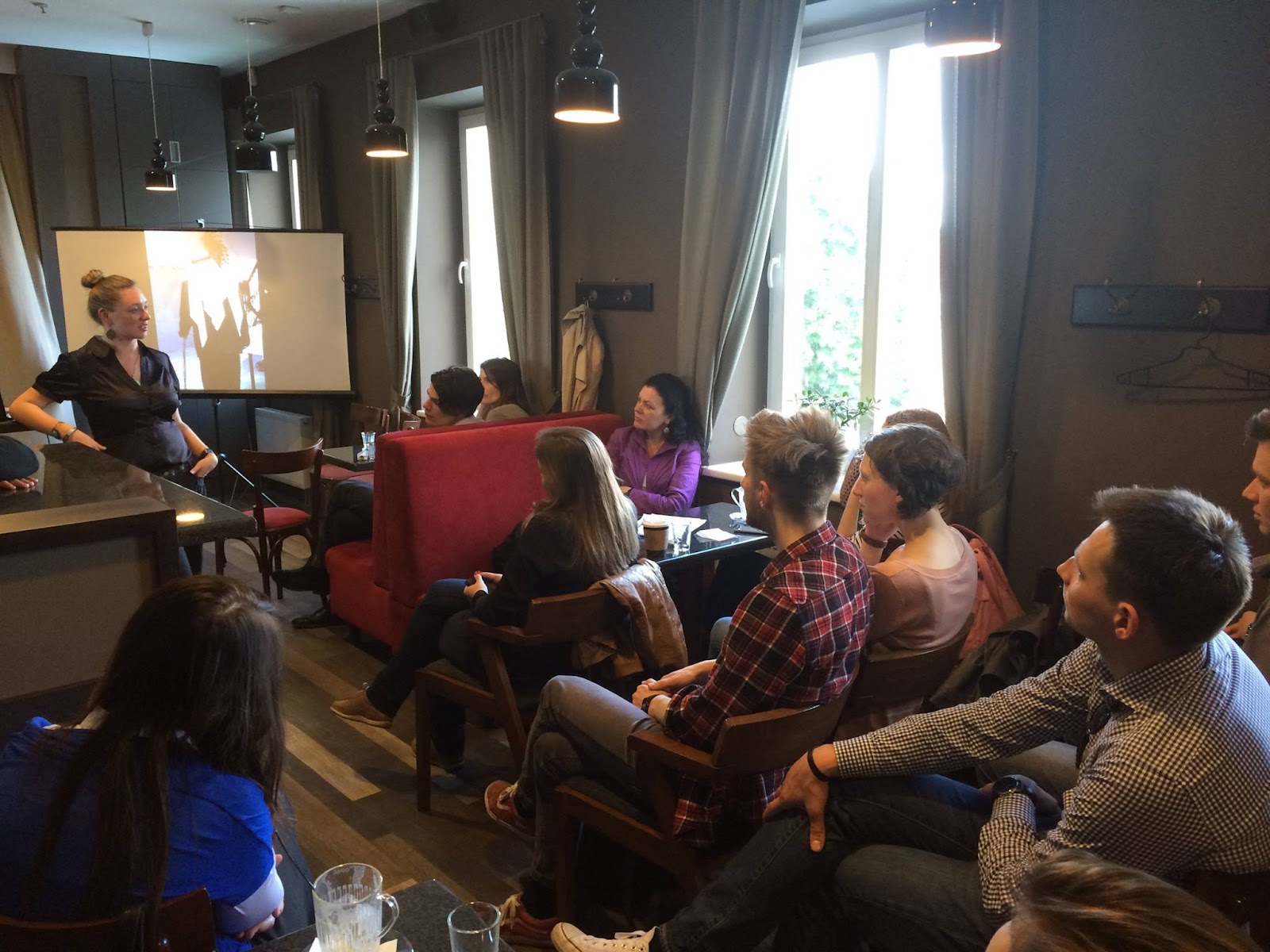
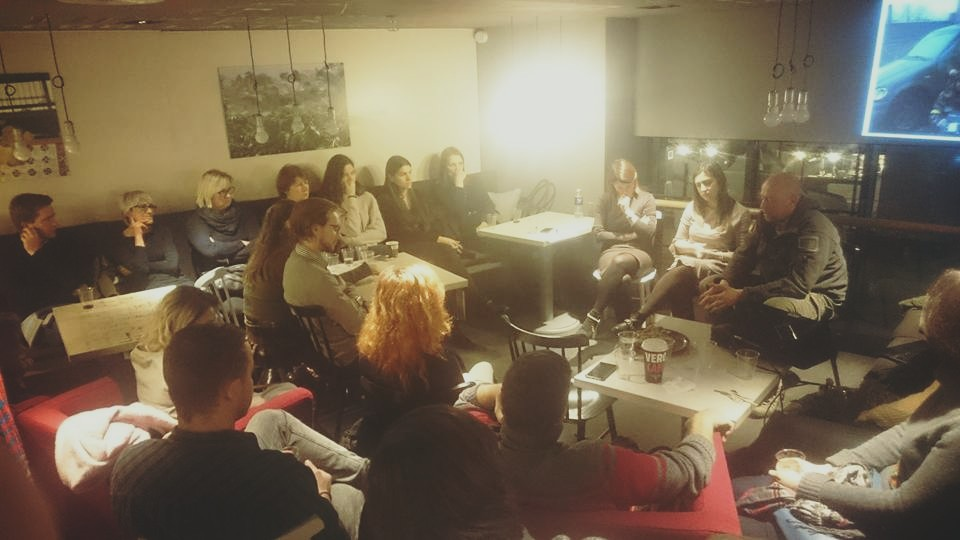
Three informal discussion in the public places of Vilnius about developing countries took place. Journalists who visited it and people representing particular countries: India, Palestine and Nepal made the presentations. Radio and daily delfi.lt journalist Karolis Vyšniauskas talked about Palestine trip in which he took part together with journalists from other Baltic states, Czech Republic and Slovakia.
Daily “Verslo zinios” journalist Milda Tarcijonaite told about Nepal and the challenges people face after the earthquake. In the third discussion social media campaign “Ours” participant Kranthi Cumar told about his homeland India, in particular growing IT city Hyderabad and the mix of traditionalism and modernism in the country.


Social media campaign

Social media campaign “Ours” continued to bring the attention to the people from developing countries living in Lithuania and relevant issues in their homeland. Every week the photo story is posted in numeral places on Facebook.  People from Ukraine, Moldova, Pakistan, India and etc. were portrayed. The separate Facebook page https://www.facebook.com/Ours.Musiskiai/ was launched and currently it has more than 300 followers.


Friday, 16 December 2016

Eurohouse: second half of the year 2016


Journalists’ Study Trips: Palestine, Nepal, Ghana and Mianmar
In July Lithuanian journalist Karolis Vysniauskas joined an international group in a study trip to Palestine, organized by VIKES. Karolis shared his insights from the study trip the next day upon his return on Lithuanian National Radio program Ryto garsai. Later there appeared his stories on Palestinian media, women’s hip hop band in a refugee camp and the University of Bethlehem. He also developed an article for national newspaper Lietuvos žinios and appeared on National television morning show „Labas rytas, Lietuva“.
In September Lithuanian weekly Verslo žinios journalist Milda Tarcijonaite joined the international group in a trip to Nepal. Until now three articles, namely on uniting of small farmers to promote local products, the attempts to change traditional societal attitudes towards women and the challenges people meet in building new shelters, appeared in the weekly. Two more to come in the printed version of the newspaper and the portal www.vz.lt In November two journalists - freelancer Rosita Garskaite and Lithuanian National Radio journalists Vaida Pilibaityte – went on a study trip to Ghana in November to collect materials on European electronic waste dump, the legacy of the first President of Ghana, the role of the Catholic Church and the 60 years of independence of the country. The materials will be publisized on the National Radio Station and daily Lietuvos zinios.
In November another journalist from the National Radio Station Indrė Anskaitytė visited Mianmar to collect materials for the radio documentaries on economic development and tourism industry as well as remaining drastic social inequalities, political situation and abuse of human rights.


Journalist Vaida Pilibaitytė working in a field in Ghana, November, 2016

Rountables

The Lithuanian group, represented by governmental and non-governmental representatives, Mrs Ruta Avulyte Jelage, Executive Director of Lithuanian NGDO Platform, Mr Saulius Kalvelis, Councelor of Development Cooperation Department at the Ministry of Foreign Affairs, Ms Marija Kazlauskaite, Chief Officer of  Strategic planning division, Department of  Economics and International Relations of the Ministry of Environment, and Mr Kestutis Navickas, Chairman of Lithuanian Environment Coalition, participated at Bratislava International Roundtable: Sustainable Development Goals - Opportunities and Challenges, organized by the Slovak NGDO Platform in the beginning of September. Lithuanian representatives introduced the process of national preparation and organization for the implementation of the SDGs. Highlighting the challenges and  best practices in other countries, the event helped to set up closer cooperation between government institutions and other stakeholders, especially NGOs. Upon return, representatives from NGO umbrella organisations were offered to be members at the National Sustainable Development Commission.

During the electoral campaign to the Seimas (National Parliament), in early October the national roundtable discussion was organised between candidates of the main political parties and NGOs  on the implementation of SDGs in Lithuania, in particular tackling poverty, social inequality, improvement of education and other priority issues. The event was broadcast live on the Seimas internet TV and Facebook live. Following the discussion, several candidates were publicly asked related questions on the online platform www.zinaukarenku.lt about the implementation of SDGs in Lithuania and the role of education in it. In total, 54 responses from politicians were received.

Articles The cooperation with the national daily Lietuvos zinios has been renewed and a new sequence of articles on topical issues in developing countries appears weekly under a separate column The World as You See It from November 2016, both in electronic and printed versions. Three articles on different aspects of life in Malaysia, role of religion in Ghana and role of music and musicians community in Palestine were published. The articles also appear on the internet portal on human rights www.manoteises.lt

Informal discussions

Informal discussions on different developing countries were relaunched and are planned to take place till  summer 2017. Some of them are planned with foreigners residing in Vilnius, who are portrayed in a series of photo stories “Mūsiškiai” (Ours) - project’s social media campaign. The first informal meeting was organized on 24th November on the development and current situation of Ukraine with native Ukrainian living in Lithuania Diane Garlytska and publicist and activist Jonas Ohman. The discussion attracted over 30 participants.


Another discussion was organised on 14 December with journalists Rosita Garskaite and Vaida Pilibaityte on Political situation and elections that took place few weeks ago were discussed. Special attention was paid to environmental issues and technologic waste dump in the capital Accra that harms not only people living and working in the dump but in the other areas of the city as well.  Local efforts to cope these problems through education and other initiatives were also discussed as well as significant role of religion and religious communities.

Social Media Campaign

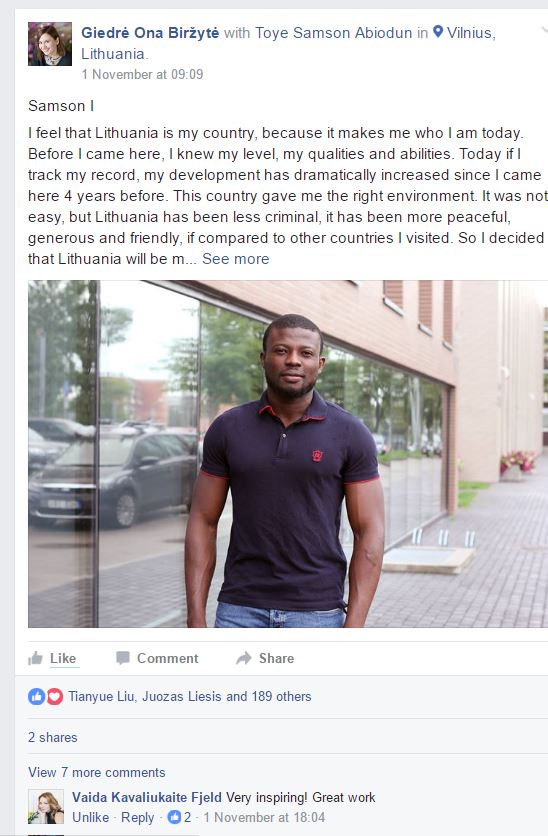
Social media campaign “Mūsiškiai” (“Ours”) has been launched in October.both in Lithuanian and English. In a series of photo stories posted on Facebook (can be found by hashtag #Ours #Mūsiškiai) we share the insights of the people who came to live in Lithuania from all over the world. They tell about their life both here and there, beautiful and painful things they encounter in Europe, Lithuania, challenges they face and stereotypes they hear. Every Tuesday we post a short photo story which will help Lithuanian public understand better and make these people more welcome. It also boost the awareness on specific country, for example Iran. People respond with comments and discussions takes place, especially in Facebook group “Foreigners in Vilnius”, which has around 6000 followers - both local and not.

So far 8 posts were made with 4 different personalities - people from Iran, Egypt, Nigeria and Ukraine. It reached around 15 000 audience on NGDO Platform alone, but the final number would be double or triple counting its popularity on public “Foreigners in Vilnius” group plus other posting places. The campaign will continue until summer. It has also offline features: informal discussions with the “heroes” of the photo stories are organised in Vilnius cafes, where various issues related to developing countries are discussed. Some of the stories will be developed into the articles and published in daily Lietuvos zinios and human rights portal www.manoteises.lt

Samson 11.JPG


Media Research

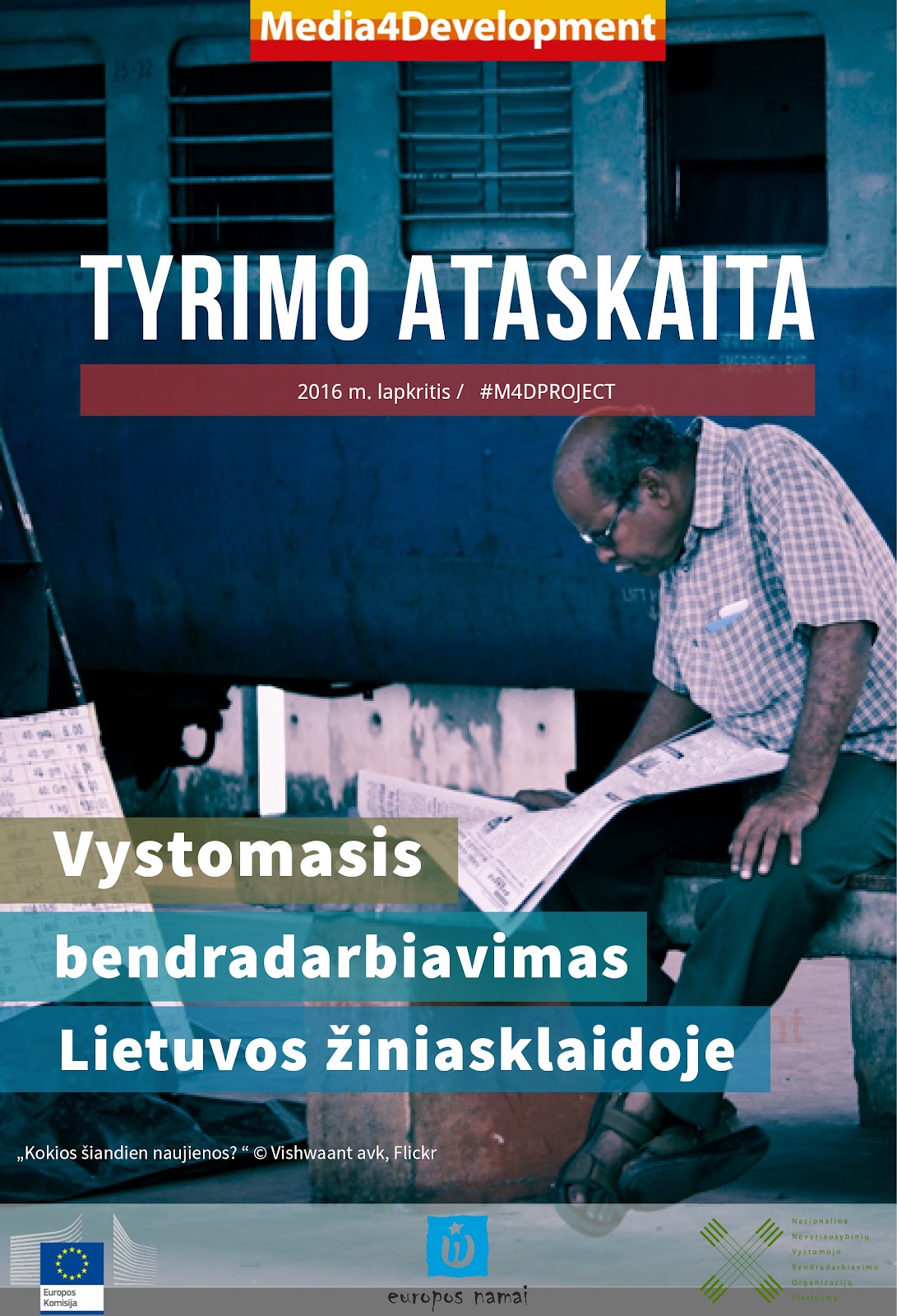
The qualitative media research was conducted to investigate the appearance of development issues in Lithuanian media. A group discussion and individual interviews were held with eight biggest media houses that publish most information on development issues. Major findings are as follows: (1) editors of media houses can hardly identify clear Lithuanian DC vision and priorities themselves and would like to have a more consistent defining of the national policy, communicated by both NGDOs and state institutions, also they lack information on the assistance transparency and efficiency mechanisms; (2) the content of the news portals is more and more defined by the editors-on-duty, also articles of opinion formers are getting more popular and bigger reach-out, therefore more conditions should be provided for them to gain authentic experience and develop their relevant competences, including practical trainings (3) media houses are looking forward to closer cooperation with field experts and NGOs; (4) considering the high competition between local and development topics, the latter should be presented in innovative, catchy and related to local contexts forms, etc.

The survey results were introduced at the international discussion on contemporary challenges in nowadays media Media Buzz versus quality journalism held on 18 August in Vilnius. The major audience there were Lithuanian journalism students.
The publication of the research can be found here.


Bulletin

Vystomasis bendradrbiavimas Lietuvos ziniasklaidoje-Tyrimo ataskaita-EN.jpg
The fourth issue of the electronic bulletin addresses the topics of Sustainable Development Agenda and national implementation of Sustainable Development Goals. Based on the interviews made with officials (Ms Raimonda Murmokaite, Ambassador of the Republic of Lithuania to the United Nations, Ms Violeta Motulaite, director of the Development Cooperation Department of the Ministry of Foreign Affairs, Mr Kestutis Navickas, Minister of Environment), the articles cover the status quo in preparing to implement SDGs in Lithuania, the global concept of SDGs, the problems related to defining global indicators, best national practices in the preparation for SDG implementation, etc. The publication is sent out in mid-December 2016 to 551 subscribers (decision makers, media, NGO activists and other subscribers of the NGDO Platform  newsletter). It is also publisized on the internet sites of the House of Europe and NGDO Platform (pagalba.org). Later on, it is planned to publish individual articles in the media.
Miscellaneous

10 November project staff met with the representatives of the Africa Unit of the Ministry of Foreign Affairs to discuss cooperation possibilities in organising Africa Days events in 2017.

The bulletin and the project was introduced at the national development cooperation conference Sustainable Development Goals 2030: Lithuanian Contribution and Responsibility held on 6 December by the Ministry of Foreign Affairs.

Negotiations are underway with the Institute of Strategic Communications on the joint organisation of the journalists article/photo competition and the study trip of the winners to developing countries in 2017.


Tuesday, 7 June 2016

Spring mix of House of Europe Activities


Roundtables with journalists and activists

There were two roundtables organized with journalists and activists in the field of development cooperation in the following period.

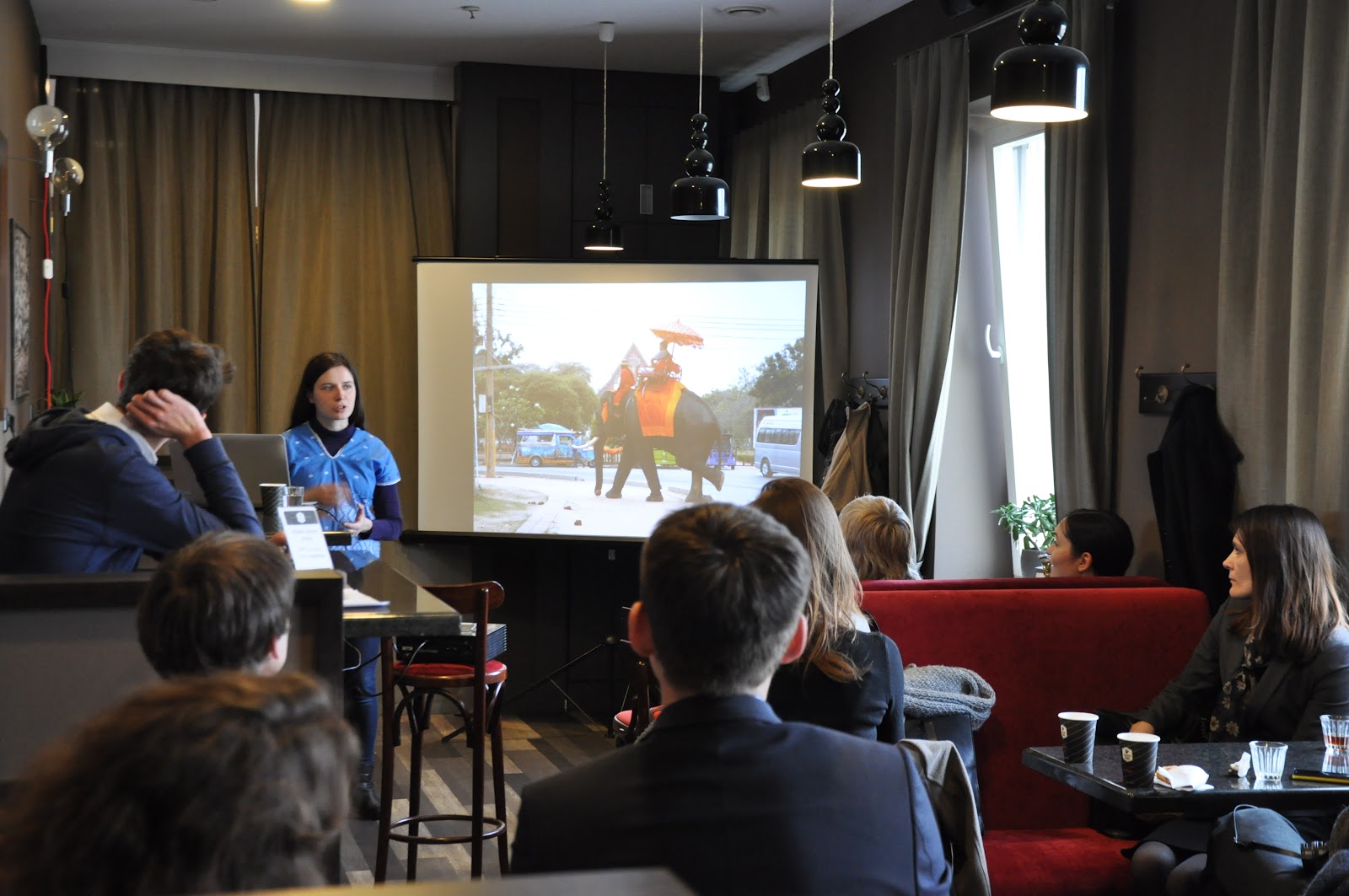
First roundtable took place in April and targeted life in Thailand. Journalist as well as expert of Asia Daiva Repečkaitė shared her experiences from visiting Thailand and spoke about peoples’ daily life as well as ways to make a living there. The country is frequently called as “land of smiley faces” and the roundtable aimed to explore what is really behind these smiles.

DSC_0006.JPG
                                     A Roundtable with Journalists and Activists, 28 April 2016

Another roundtable was organized in May and challenged views about frozen Israeli-Palestinian conflict. An activist working in the field of development cooperation in Palestine Gabrielė Tervydytė shared her experience while making a short documentary in West Bank and presented Palestinian position on the the prolonged conflict. Participants actively discussed challenges and possibilities people face in this hostile context.

gabriele-susitikimo foto.jpg
                                      A Roundtable with Journalists and Activists, 19 May 2016

Film screenings

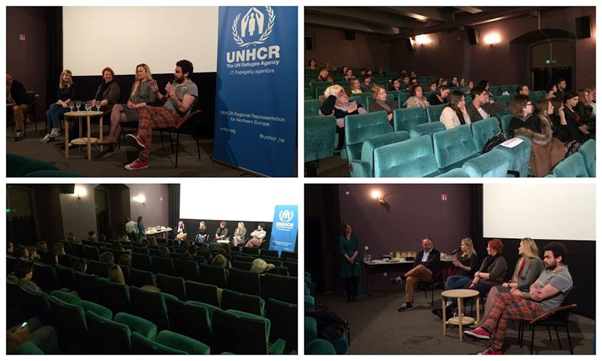
In the begining of May, in cooperation with the regional office of the United Nations Refugee Agency in Vilnius, a public screening of the  documentary “In an Alien Land” and a panel discussion in connection with the recent outbreak of the refugee crisis, reasons behind it and its outcomes was organised at the “Pasaka” cinema theatre in Vilnius.
Renata Kuleš (the head of United Nations Refugee Agency in Vilnius), Edvardas Špokas, Miglė Gaižiūtė, Eglė Marija Želvytė (LRT film crew) and a researcher of migration Karolis Žibas took part in the discussion moderated by a journalist Rosita Garškaitė.
The event was attended by more than 60 people. Audience took part in a lively debate with the film crew and experts and continued their exchange in an unofficial setting afterwards.


Open film screening at “Pasaka” cinema theatre, 
5 May 2016.


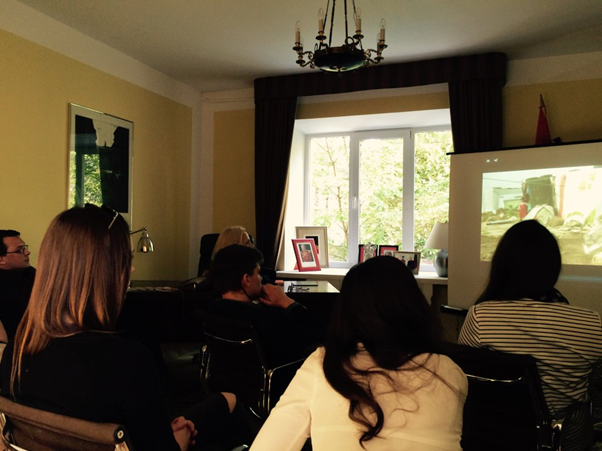
A second screening and a discussion about hope and despair people express while trapped in an “alien land” followed in the second part of May. “House of Europe” representatives introduced NGO community from Lithuanian Network of Anna Lindh Foundation with the film and its development process. Around 10 people attended the session.

 
Film screening at the meeting of Anna Lindh Foundation Lithuanian Network, 18 May 2016

African Days

In collaboration with Lithuanian Foreign Affairs ministry and several NGOs, International Day of Africa was celebrated in Vilnius and Kaunas on May 28. “House of Europe” took over a tradition of Subsacharan Africa cultural festival, formaly organized by other NGO, and prepared 4 day program. “African days” served as an umbrella for various events: African dance and drumming workshops, concert with the musicians from Africa,, meetings and discussions. Partners “Afri Ko” organized a discusion on Informational and communcational technologies and it’s influence on African development. The guest speakers from several African countries spoke in the panel. Event took place in Foreign Affairs Ministry. 

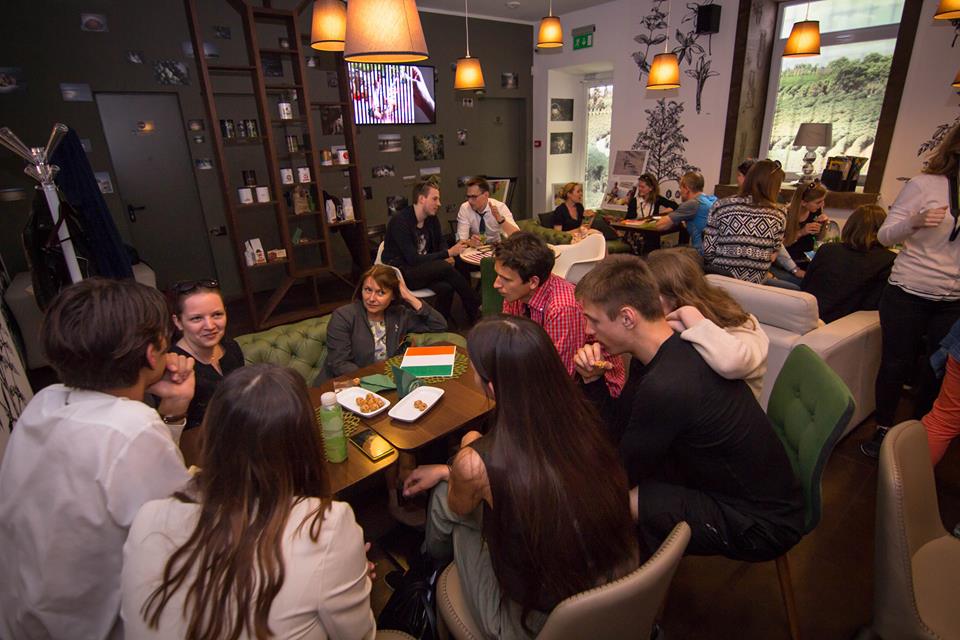
In Vilnius’ “Green Cafe” academics, journalists, volunteers presented their African experiences and specific topics in the world cafe principal. Around 35 people participated in the event. Giedrė Birzyte, a member of the project, presented her Kenyan trip. She also did the presentation in Kaunas Cultural Center of Various Nations. Approximately, audience was around 45 people.

Afrikos dienos.jpg
World cafe discussions, African days in Vilnius, May 26, 2016

Photo exhibition

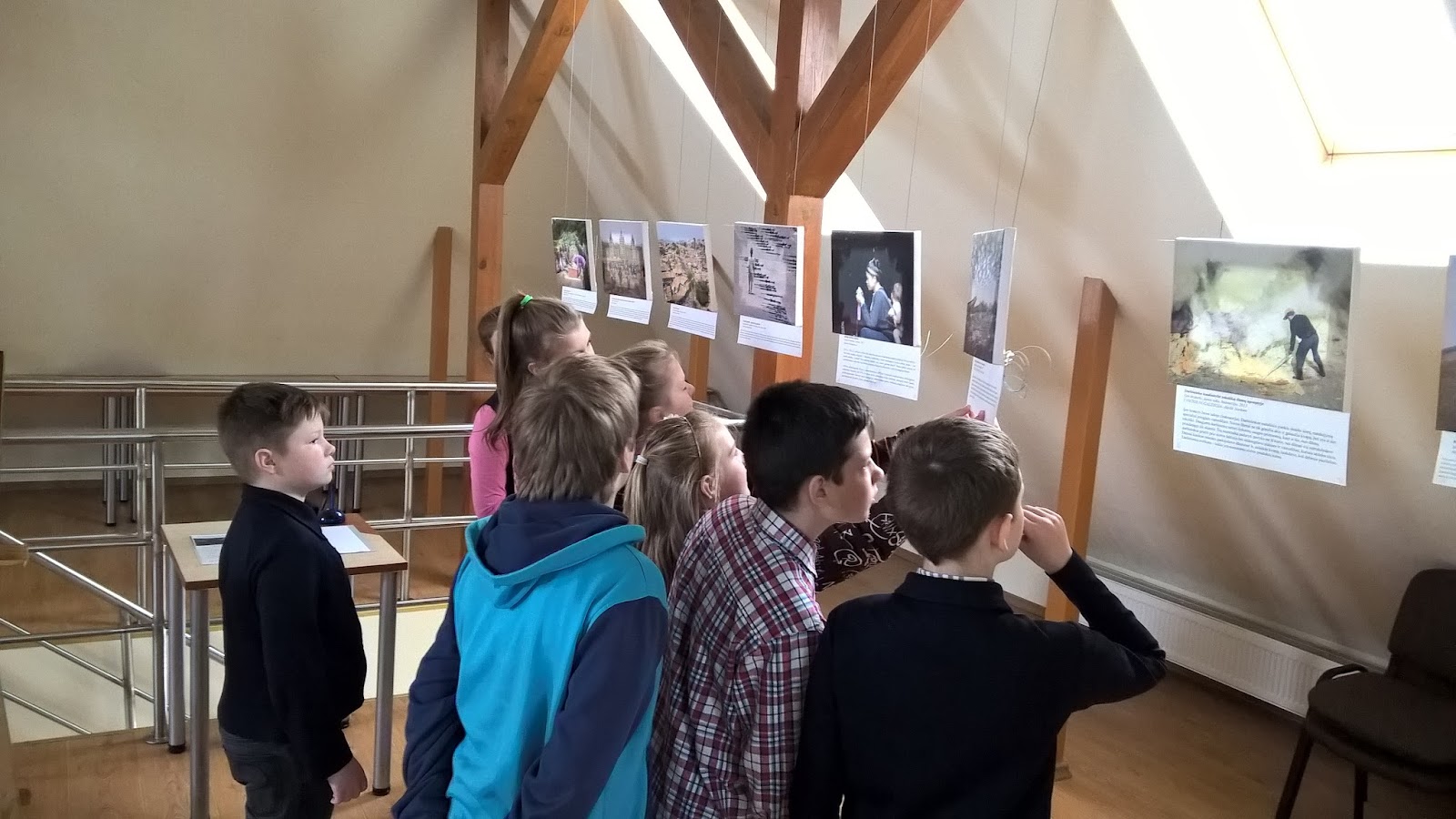
The photo exhibition “The World As You See It” continues to be displayed in different venues and invites local communities to take a deeper look into life of developing countries. In April, exhibition was displayed in Education Development Centre and Proffesional training centre of Žirmūnai. In May, it stayed in the public library of Šilutė. Further, the exhibition will be displayed in the Parliament as well as Government’s facilities and will visit smaller towns around Lithuania.
WP_20160518_11_42_19_Pro.jpg
Photo exhibition “The World as You See it” displayed in Šilutė.

Bulletin on Humanitarian Aid

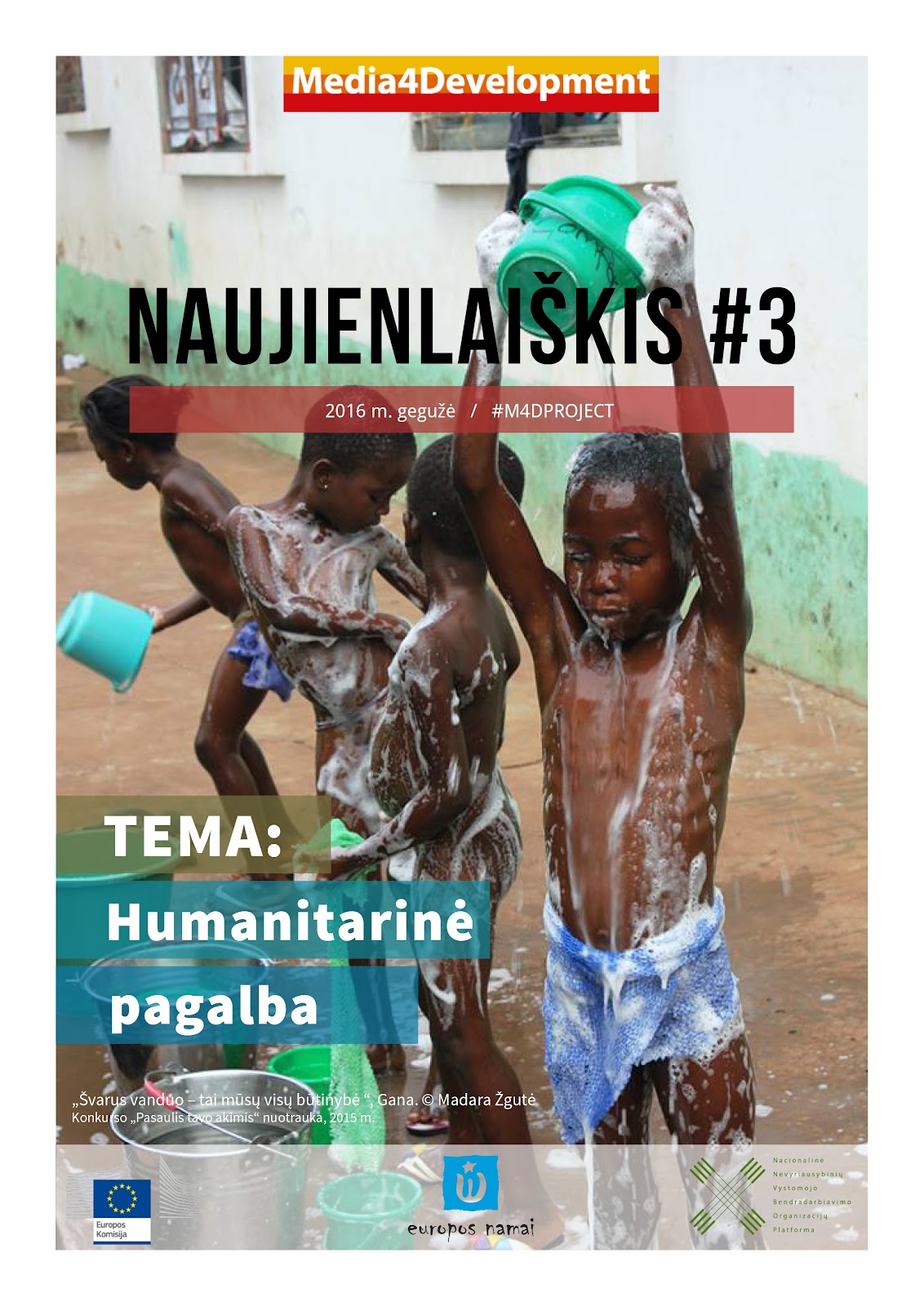
At the end of May, an electronic bulletin on humanitarian aid was issued and sent out to policy makers and opinion leaders, in particular, members of the Parliament, public officials, politicians, journalists, representatives of NGO sector and national academia. While featuring articles of mainly local authors, this issue aims to present in-depth analysis of the latest tendencies and chronic challenges in the humanitarian aid sector:
  • Humanitarian aid given by Lithuanian citizens: main trends, directions, institutional challenges and future opportunities (prepared by Lithuanian journalist Jūratė Važgauskaitė).
  • Expert opinion about macro-level factors for the effectiveness of humanitarian aid and the need for structural reforms (prepared by Žilvinas Švedkauskas, NGO“House of Europe”).
  • World Humanitarian Summit and Lithuania’s part in it (prepared by Lithuanian journalist Rosita Garškaitė).
  • The prospects of cash transfers in humanitarian aid (a translation of a text by Paul Harvey, an expert at Overseas development institute).
  • Importance of humanitarian communication.
Naujienlaiskis3-paveikslelis.jpg
Cover of the Bulletin no 3.
Media appearances

On the 25th of May, “Media4Development” project was mentioned when African days idea and the program was announced on the National Broadcaster’s morning show “Labas rytas”. Project’s communication officer shortly introduced viewers to journalists’ trip to Kenya and invited to attend the meetings in Vilnius and Kaunas.

Article Section

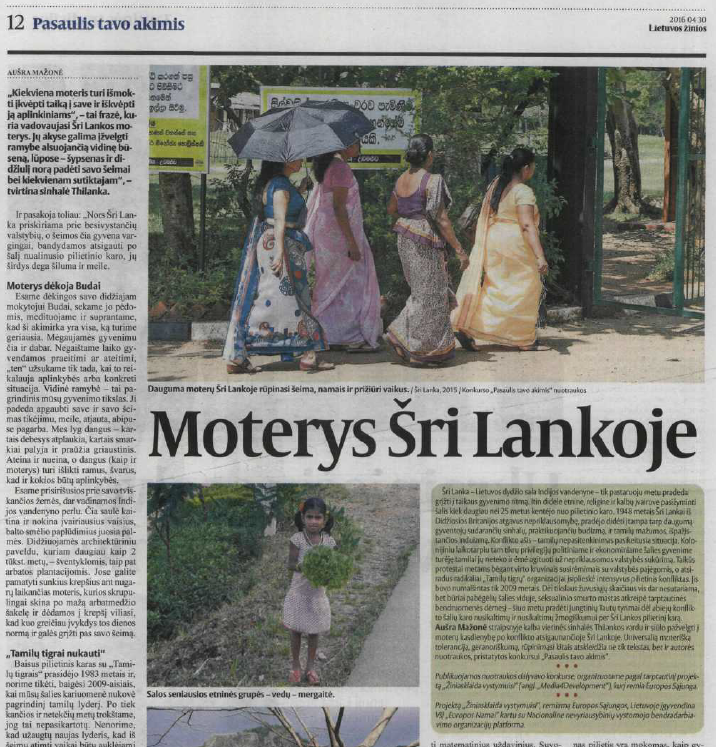
In April - May, a section in the national daily Lietuvos žinios (introduced in order to reach a wider public and familiarize it with current development issues) was further complemented by 7 different articles of various Lithuanian journalists. Traditional bee-keeping and eco-challenges for Lake Victoria in Kenya were presented by Berta Tilmantaitė, whereas Vaida Blažytė covered a conflict between man and nature in country’s nature conservancies. Besides special insights to Kenya, articles about World Humanitarian Summit, women rights in Sri Lanka and women entrepreneurs in Thailand, paradoxes of humanitarian aid in Ukraine were published. Each article is accompanied by an introduction into a certain relevant aspect of development cooperation.

 Aušra Mažonė. Women of Sri Lanka. 30 April, 2016.

Wednesday, 2 March 2016

Evening tea with documentary journalists


On the 17th of February Kārlis Lesiņš and Lelde Prūse, journalists from the Woodpecker Pictures were invited to an evening tea at the Green Liberty’s staff and friends to share the story of their trip to Rwanda and the Democratic Republic of Congo (DRC) where they filmed a documentary movie about the care for protected eastern gorillas (Gorilla beringei beringei and Gorilla beringei graueri).


Evening tea with journalists was a non-formal event, where Kārlis and Lelde shared the story about two different countries – Rwanda and Democratic Republic of Congo. They told how Volcanoes National Park, and more specifically, gorillas living there supply these countries with resources for survival and development. While listening to them, the auditory could follow the process of filming in Rwanda (Kigali, Musanze, Gisenyi regions), DRC (Goma and Masisi regions) and the territory of the Volcanoes National Park

The journalist shared reflections about unexpected turning-points during the trip, interaction of the team, and what other journalist should consider when they go to Global Southern countries in Africa. It was exciting to hear that journalists had changed their conception of the movie: “I hoped the movie would be about pleasant and peaceful things like the animals, nature. Consequently, I could step aside from the previous experience to see the things through the looking glass of conflicts. Yet, it turned out that the foundation of the plot is the tension between people and animals, rebels, government and society, veterinarians and tourists” (Kārlis). It was very inspiring to hear that “the world is round. It means that we as the species on this planet are interconnected.” (Lelde).

It was inspiring to feel the connection between the journalists, sponsors, representatives of environmental organisations and activists. We hope that this Evening tea event helped participants to enrich understanding of why stories from Global South are meaningful for us.

Woodpecker Pictures is a brand new film studio – a group of energetic enthusiasts including a director, a journalist, a video specialist and a producer, who were brought together by a common vision of interests and professionalism. In project Media for Development, this film studio has agreed to make a documentary film that currently is in after filming stage. The documentary film will tell the story not only about the efforts to protect the animals and maintain their health and lives, but also about their geographic, political and social environment. The documentary will reveal personal motivation and attitude towards protected eastern gorillas in Rwanda and DRC – starting from veterinarians of Gorilla Doctors organisation to rebels in the war affected DRC.

The trip and documentary is also supported by the Boris and Inara Teterev Foundation