Wednesday, 5 October 2016

VIKES Joint Study Trip to Nepal

In September, we took seven journalists from the Baltic countries, the Czech Republic and Slovakia for a joint trip to Nepal. The trip was part of our EU project and it was carried out in collaboration with the VIKES local partner Centre for investigative Journalism of Nepal. 

The eye-opening journey took the journalists to the worst affected areas by the 2015 earthquake. The group interviewed local journalists, members of the discriminated Thami community, victims of human trafficking, as well as human rights activists.  Some of the most memorable moments were the interviews with the residents of the women’s shelter and the visits to the camps of the earthquake and landslide survivors. 

The preparation of the programme started already in April this year, when the reporters met each other in our training event in Helsinki

During the trip, the group worked together and we witnessed how the self-confidence of the future foreign correspondents grew as they gained new experience. The expertise of the Nepali journalist colleagues diversified the reporting. The local journalists also got inspired by the visit and thought that some of the questions raised by their European colleagues are lacking from the Nepali media. 

We are looking forward to seeing the results of the journey soon in Estonian, Latvian, Lithuanian, Slovakian and Czech media! 

Please see some pictures from the trip below. You can find more photos here.

Interviewing the earthquake survivors from the Thami minority in the Suspa Panikpokhar camp. Photo: Maiju Mitrunen  
Our group of female reporters were interested in hearing about women's life in Nepal. Photo: Maiju Mitrunen 
Visiting a farm in Makaibari, Dolakha district. Photo: Anurag Acharya, CIJ Nepal 
The group of reporters listens silently as their colleague Rajindra Mandhai (second from the left) tells about the earthquake while standing on the ruins of his own house. Photo: Maiju Mitrunen 
Some of the most memorable interviews were done in a Women's Shelter in Charikot town. In the picture: the founder and Head of the shelter Sirjana Karki. Photo: Maiju Mitrunen

The rebuilding after the 2015 earthquake is in the hands of the locals. Photo: Maiju Mitrunen.

The group with the staff of Himal Khabalpatrika newspaper in Kathmandu. Photo: Maiju Mitrunen.

Local health and social science teacher is interviewed by Santa Logina (Latvia), Katarina Kovacova (Slovakia) and Milda Tarcijonaite (Lithuania). Photo: Maiju Mitrunen
Interviewing students and teachers in a  local school in Jure, Sindhupalchowk district. Photo: Maiju Mitrunen
Anette Parksepp (ERR, Estonia) is interviewing a local woman who has just started building a new house in Sindupalchowk. Anurag Acharya (CIJ Nepal) translates. Photo: Maiju Mitrunen


Texts and photos: Project Coordinator Maiju Mitrunen, VIKES

Participate in the discussion on Twitter with #M4Dproject 

Also, read the comments by the participants from the previous posts by the other project partners!


Monday, 3 October 2016

Eye-Opening Journey to Israel and West Bank by VIKES


VIKES did not rest during the summer either! In July 2016, we took a group of journalists from Estonia, Latvia, Lithuania, Czech Republic and Slovakia for a week-long study trip to Israel and the West Bank.

The trip deepened the participants knowledge on development issues and gave them practical experience on what it is like to work as a journalist in conflict areas. The five journalists that took part in the study trip were excited but also confused and shocked about the places they visited and the people they met in Israel and the Palestinian territories. 

The trip was a great success and the participants gave it an overall score of 4.8 / 5. All of them would "extremely" or "very" likely recommend a similar trip to a colleague. Also, according to the feedback, all of them will work on the issues discussed during the trip also in the future. They especially liked the work done by VIKES trip coordinator Anna Palmén in organizing the programme and arranging the interviews and visits. The practical arrangements of the trip by VIKES and the other project partners also received many praises in the online feedback form.

Please see some pictures from the trip below. You can find more photos here.

Photos: Anna Palmén (VIKES, Finland) and Piia Puuraid (Ekspress Media, Estonia)

Photo: Piia Puuraid, Ekspress Media (Estonia).


Photo: Piia Puuraid, Ekspress Media (Estonia).

Photo: Piia Puuraid, Ekspress Media (Estonia).


Photo: Piia Puuraid, Ekspress Media (Estonia).
Photo: Piia Puuraid, Ekspress Media (Estonia). 
Photo: Anna Palmén, VIKES. 
The whole group with driver and translator Issa Loussi and trip coordinator Anna Palmén. Photo: Anna Palmén, VIKES.


Texts: Maiju Mitrunen, VIKES
Follow the discussion on Twitter: #M4Dproject

Also, read the comments by the participants from the previous posts by the other project partners!

Thursday, 29 September 2016

Reporting World News: Intensive Course on Development for Journalists by VIKES

During the past couple of years we have witnessed an influx of conflicts, violence and wars, and the foreign news sections of our newspapers have been filled with pictures of refugees. The professional skills of journalists are measured in reporting on these global issues. How to find the real stories and sources? How to separate propaganda from reality? How to get behind the headlines? Especially in a world where the foreign news section of the newspaper is the first to suffer from budget cuts. How do we see the world through today’s media? Is the world really getting better or worse?

The three-day intensive course, organized by the Finnish Foundation for Media and Development (VIKES) aimed to answer these questions and increase knowledge about development affairs among media.


The training encouraged the young journalists from Estonia, Latvia, Lithunia, Slovakia, Czech Republic and Finland to think big when it comes to development issues!


VIKES organized the training on development issues and global interdependencies for a selected group of journalists in Helsinki 20 - 22 April 2016.  The training was mainly conducted by experienced journalists that shared their own experiences from working as a journalist in conflict areas or developing countries.
The trainers and speakers included experts such as freelance journalist Amie Ferris-Rotman and photojournalist Niklas Meltio. During the three days of training the participants went through different development issues from climate change to sustainable development from media's perspective.  The participants also got a chance to get to know colleagues from all around the world. 

The journalists taking part in the training will also be given a chance to go on study trips to developing countries organized by the different project partners.

Environmental journalist Kari Rissa telling about the impact of climate change to developing countries.


Pekka Reinikainen (Finnish Red Cross), Aishi Zidan (Amnesty Finland) and photojournalist Niklas Meltio discussing how the Western media covers migration. The discussion was moderated by Anni Valtonen (Maailman Kuvalehti).


The Female-dominated group of future foreign correspondents.

Anni Valtonen (Maailman Kuvalehti) asked Pekka Reinikainen (Red Cross), journalist Amie-Ferris-Rotman and photojournalist Niklas Meltio how they deal with emotional trauma during covering traumatic events.

Amie Ferris-Rotman described her work as the Foreign Correspondent for Reuters in Kabul, Afghanistan.

Amie Ferris-Rotman heading a workshop on planning the programme for trips and convincing the editors.

The devastating effects of the April 2015 earthquake in Nepal by Program Manager Anurag Acharya from the Centre for Investigative Journalism Nepal.

VIKES partners Editor Shiva Gaunle and Program Manager Anurag Acharya from the Centre for Investigative Journalism Nepal describing the difference of local and foreign reporting.

Journalist Amie Ferris-Rotman (freelancer), Program Manager Anurag Acharya (CIJ Nepal), journalist Katri Merikallio (Suomen Kuvalehti) and Coordinator Maiju Mitrunen (VIKES) discussing about the practicalities of world news and journalism.

Lyydia Kilpi from NGO network Kepa told the participants what tax havens have to do with development.

See more pictures here. Also, read the comments by the participants from the previous posts by the other project partners!
Photos & texts: Maiju Mitrunen, VIKES

Follow the discussion on Twitter: #M4Dproject


Friday, 16 September 2016

Mondo activities July-August 2016

PUBLIC QUIZ AT VILJANDI MUSIC FESTIVAL

From 28th to the 31st of July Mondo was active at one of the biggest music festivals in Estonia – Viljandi Folk Festival. Among other activities it was possible for the festivalgoers to take a Media4Development quiz about women’s rights and development issues. Every day at noon we drew a random name from the lot of the quiz takers and that person received a handicraft basket from Ghana as an award.


Quiz prizes at Viljandi Folk Festival.


OPINION FESTIVAL

August is the month of the Opinion Festival in Estonia. This year Mondo was represented with several topics and we shared the Development Cooperation themed stage with the Estonian Roundtable for Development on Friday. We had the joy of kicking the day off with a idea/coffee morning “What can I do for a better world?”, where people had the chance to mingle with people who have changed the world to the better through their professional life. We had three “thought circles” with Kalle Aasamäe (designer who worked with local women in Shianda, Kenya), Piet Boerefijn (head of the Estonian Food Bank) and Kristina Mänd (Mondo’s expert on sustainable consumption) and everyone in the audience had the chance to switch their circle after 10 minutes or if they wanted, stay where they started off. Towards the end of the day another discussion was led by Mondo, this time on the topic of motherhood across the globe.

Discussion circles at Opinion Festival.


LET'S LOOK EACH OTHER IN THE EYE!

Right after Opinion Festival, we held a Media4Development guerilla action “Let’s look each other in the eye!” in Kunstihoone that was inspired by Amnesty International’s “Look Beyond Borders” campaign. We invited strangers to look each other in the eye for four minutes without saying anything, to see that we are all equal. The introduction to the action:

What happens when you sit down opposite a stranger?
You look into each other's eyes. In silence.
What do you see?
Who do you see? 

Everyone will have a chance to take a seat opposite a person they have never met before and look into each other's eyes for 4 minutes in silence. Let the volunteers know if you would like to participate.
Looking in the eye will give you a chance to think about the person sitting in front of you without any stereotypes, without preconceptions and without the need to dominate the conversation. Treating each other as carte blanche will make a better world possible. Only this way we can see each other as equal partners to fight inequality and change the world.

A video documenting the action:


UGANDA STUDY TRIP

Last year’s photo competition winner Laura Toomlaid had a chance to choose an award trip to Uganda or Ghana. In the spring we met and discussed and it seemed the best option to travel to Uganda. It also gave Mondo a chance to offer a study trip for two young journalists who took part of the spring 2016 training in Helsinki – Madle Timm and Rait Roop. Madle is a freelance journalist who recently graduated and works part-time for the agricultural newspaper Maaleht. Rait is a freelance who writes mostly about sports. During the summer we met with the three to discuss their interests to see what would be the best itinerary that would suit all of them. We also talked briefly about Uganda – it’s history, geography, people and what to expect.

In the beginning of August–beginning of September, the Uganda study trip took place. This was our itinerary:
24.08. Arrival, night in Entebbe
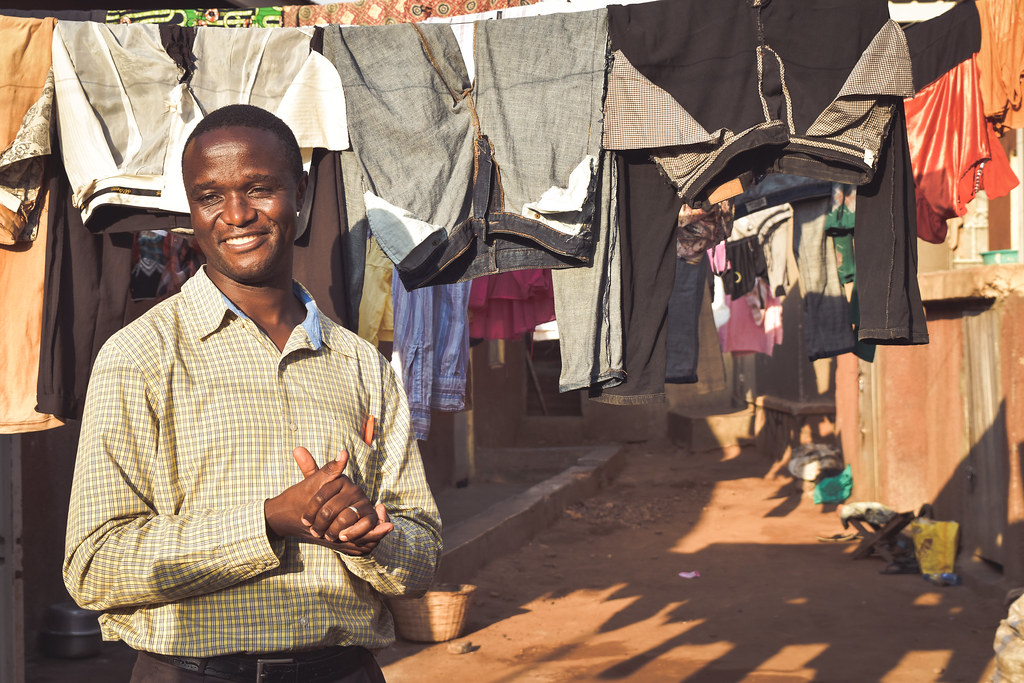
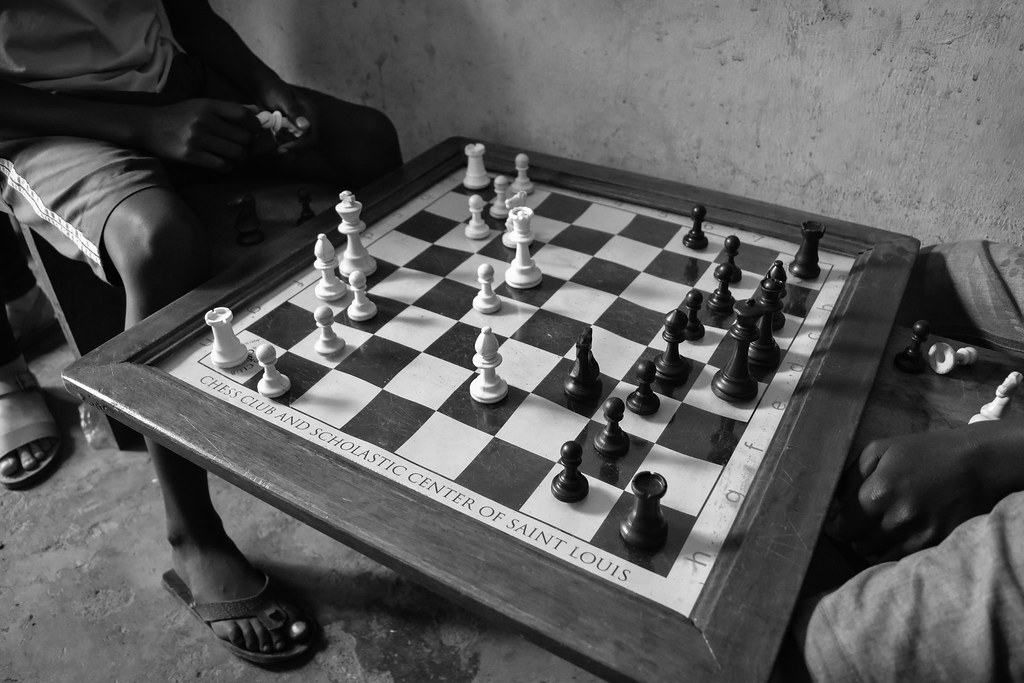
25.08. Visit to Nile Basin Initiatives to learn about environmental and social effects of the pollution in Lake Victoria and hydropower production on the Nile. Lunch and drive to Kampala. Afternoon visit to Sports Outreach chess program in Katwe slum, interviews with coach Robert Katende.
Chess coach Robert Katende. Photo: Laura Toomlaid.
Chess class in Katwe slum. Photo: Laura Toomlaid.

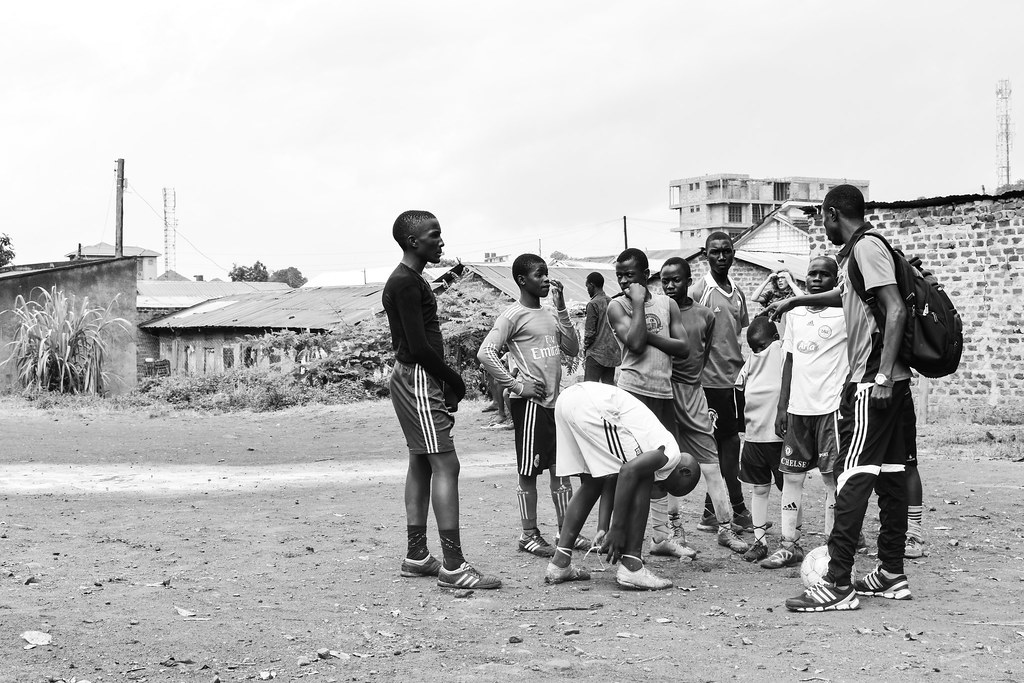
26.08. Visit to Watoto Wasoka football program in Bakuli slum. Meeting and interviews with the leaders of the program, Francis Mugoya, coach Patrick Sonko, and the kids. Football match. Evening program at Ndere Centre.

Patrick and Francis explaining Watoto Wasoka's history. Photo: Laura Toomlaid.
Coach Patrick preparing kids for the match. Photo: Laura Toomlaid.

27.08. Visit to the tailoring shop of Kampala Disabled Initiatives in Namugoona. Talking with the women about issues of people with disabilities. Visit to the Uganda National Mosque (Gaddafi Mosque) and Watoto Church; evening poetry show in the centre.

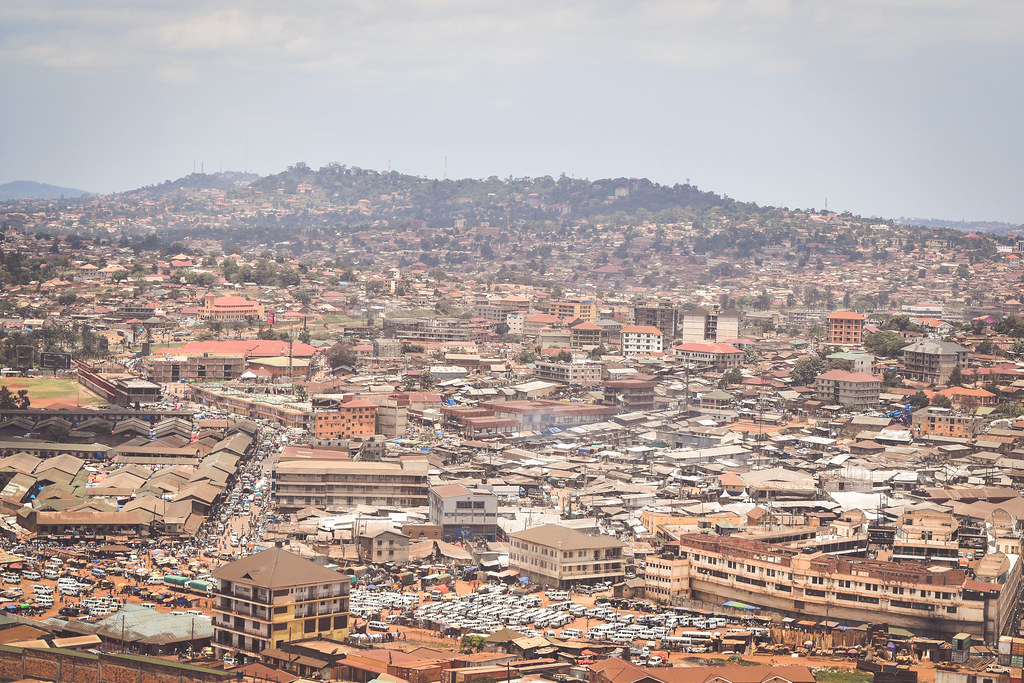
Kampala view from the National Mosque Minaret. Photo: Laura Toomlaid.

28.08. Visit to Ziwa Rhino Sanctuary, learning about the re-introduction of southern white rhinos in Uganda. Evening arrival to Murchison Falls National Park.
29.08. Murchison Falls National Park. Conservation and future oil drilling issues.
30.08. Returning to Kampala.
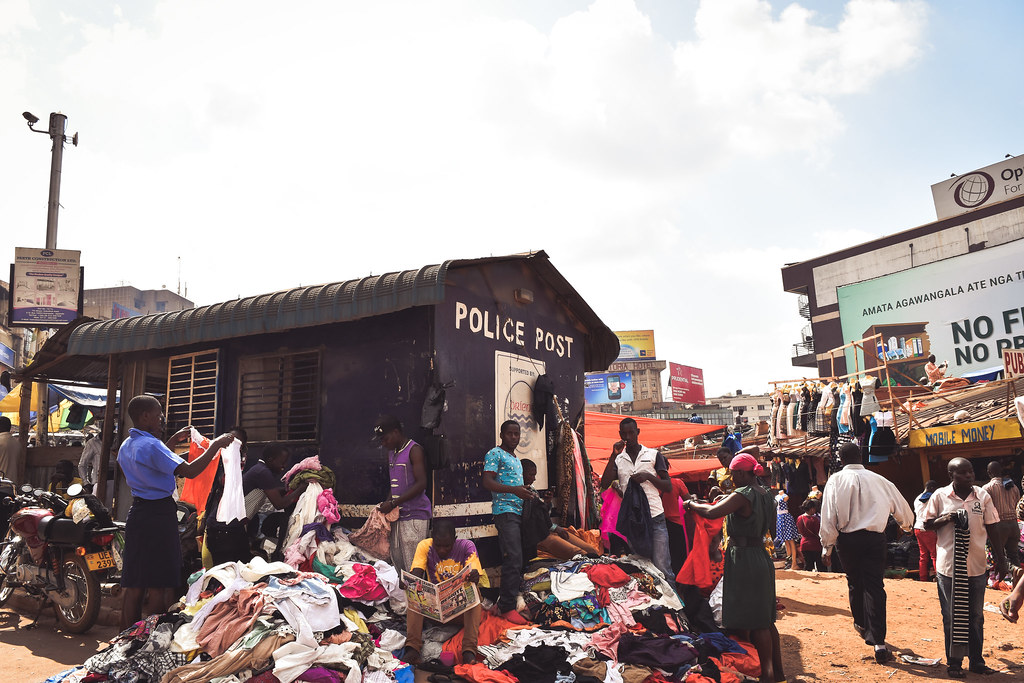
31.08. Visiting Owino Market and a walk around downtown; visiting Hindu temples.

Downtown Kampala. Photo: Laura Toomlaid.


01.09. Visiting the Baha’i temple, flight back.

Wednesday, 10 August 2016

Green Liberty: The Third Six Months of M4D

E-bulletin “Development Cooperation News” 
To enrich awareness of society and policymakers in Latvia about global interconnection, challenges and initiatives to solve them both globally and locally we have started to publish electronic information bulletin Development Cooperation News (DCN).
DCN is published electronically twice a year and features current development cooperation topics from the perspective of practitioners, opinion leaders and policy-makers.
The 3rd issue is Sustainable Development Goals. It is looking for answers on the following questions: How can we reduce global poverty, inequality, injustice, and climate change by empowering development of our local communities? This global and local news is published in five sections – POSITIONS, EVENTS, EXPERIENCE, OPINIONS, and RESOURCES that shape the structure of DCN.
Read and download the bulletin Development Cooperation News here.
The next – 4th issue of Development Cooperation News will be on how to measure Sustainable Development Goals

Joint Study Trip to Palestine 

A journalist from regional newspaper Zemgales Ziņas - Agnese Leiburga represented Green Liberty the joint study trip to Palestine on the July 11-17. This study trip was organized by project’s Finnish partner organization VIKES. During the trip Agnese Leiburga together with her colleagues from other M4D partner organizations – Estonia, Lithuania, Latvia, Czech Republic and Slovakia visited Bethlehem, Beit Sahour, Palestinian refugee camp Aida in Bethlehem, Hebron, Jerusalem, and Abu Dis – city, which has been cut away from Jerusalem by the Israeli separation wall. During these visits there was a chance to interview Bashir and Jeanette who are well-traveled Palestinian-Christian couple and have decided to live in Bethlehem, as well as Palestinian family affected by the separation wall, to visit Bethlehem University with the participants of the media camp and much more.
Reflections on situations and experience have been published in several proceeding articles and are available here:
Leiburga, Agnese, (July-August, 2016). Viena žoga divas puses – Izraēla un Palestīna. [Two sides of the same fence: Israel and Palestine]. Zemgales Ziņas [regional newspaper Zemgale News],
- August 11, 2016:

Helsinki Intensive Course “Reporting World News” for Journalists 

On April 20-22 three Latvian writing journalists who have recently started their career together with their colleagues from other M4D partner organizations – Estonia, Lithuania, Latvia, Czech Republic and Slovakia – deepened their awareness and understanding about reflecting on global development issues in an Intensive Course on Development for Journalists in Helsinki. Green Liberty was represented by Iveta Sondore (Vides Vēstis), Anna Ūdre (FEJS Latvija) and Santa Logina (regional newspaper Zemgales Ziņas). The intensive course was organized by project’s Finnish partner organization VIKES. The focus of the course was on such topics as timely media issues in global context, sustainable development, natural resources and disasters, migration and war coverage. The seminar was a great success because of its relevant content, discussions and workshops, organization and atmosphere.

Photo and Story Competition Winners’ Trip to Kenya 

From February 28 till March 23 a group of two people representing Green Liberty had a possibility to explore Kenya and challenge our stereotypes on life in East Africa. Lasma Ozola was interested in sustainable agriculture practices in Kenya. Liene Bieza – a photographer – captured group’s moves during the travel. Also, Liene Bieza and Lasma Ozola were the winners of the photo/story competition Decent Life for All. Lasma and Liene were accompanied by Dimitri Vanham from Belgium who was documenting interviews with project developers in video.
During three weeks they travelled through different regions of Kenya to see Laikipia Permaculture Project, Sustainable Village Resources Organic Coffee project in Rongo, Regenerating Rusinga Project, Drylands Natural Resource Centre Reforestation project in Makueni. Read the reflections in the article Environment, agriculture, community and education in Kenya: Reflections from Green Liberty

Evening Tea with Documentary Journalists 

On the February 17th Kārlis Lesiņš and Lelde Prūse, journalists from the Woodpecker Pictures were invited to an evening tea with Green Liberty’s staff and friends to share the story of their trip to Rwanda and the Democratic Republic of Congo (DRC) where they filmed a documentary movie about the care for protected eastern gorillas (Gorilla beringei beringei andGorilla beringei graueri).
Read the reflections about the event here: Evening tea with documentary journalists

Social Campaign

With a successful piloting in the knowledge festival HELSUS on May 21st in Jelgava we have started a social campaign “Myths and truths about our participation in global development”. The overall address of this social campaign to general public in Latvia is incorporated in the question: Does it seem to you that “we should not help other countries, because we ourselves are poor”, that “poverty results from too high birth rate”, that “help makes a receiver to become lazy”, that “financial assistance is the most needed help for poor countries”, that “climate change is not connected to increase of poverty”? If yes, come and find it out if it is truth or not. Participants interested in finding this out were involved in discussions where they shared their opinions about poverty, birthrate, and impact of rich and poor countries and whether help changes the situation for good or bad. 
The second public debate was during the conversation festival LAMPA on July 1st in Cēsis where we added the next step to our discussion: How to substitute our myths with a rather constructive view on reality?  And why transforming myths to truths is similar to swinging on a swing? The discussion was organized in the LAPAS (Latvian Platform for Development Cooperation) tent that hosted several other discussions, conversations, films, and games about global development organized by NGOs that shared similar vision in the need to lend a hand to make the world a better place.  

Before the campaign we organized an opinion pool that helped us to choose five the most popular myths in Latvia:
    - we should not help other countries, because we ourselves are poor,
     - poverty results from too high birth rate,
     - help makes a receiver to become lazy,
    - financial assistance is the most needed help for poor countries,
    - climate change is not connected to increase of poverty.
We started our discussion with a metaphor of swinging on a swing, and connected it to the process of changing myths to truths. After discussing each myth we shared the relevant results from the opinion pool. Several of proceeding events of the social campaign will be organized in the 2nd part of this year.
Reflections and pictures from piloting the campaign in Helsus: http://www.zalabriviba.lv/par-globalizaciju/tiekamies-sarunu-festivala-lampa/

Photo Exhibition “Decent Life for All”

Green Liberty also organizes a nation-wide photo exhibition Decent Life to All that is ongoing and includes 24 pictures from the photo competition organized in July – September 2015. The pictures included in the exhibition are created by professional and amateur photographers from Estonia, Lithuania, Latvia and Slovakia. Among pictures representing Latvia several of them are created by national winner Liene BiezāThis exhibition provides the visitors an opportunity to think about their daily habits and the world as our global home, and to enhance their understanding of development issues. 
Since its opening at the European Union House in Riga the photo exhibition has been hosted by Latvia University, Latvia University of Agriculture, LU Botanical garden, Gulbene Municipality, Olympic center in Riga, Riga Central Market, shopping centre Galerija Centrs, Latvian National Library restaurant and several other famous restaurants, etc.
The exhibition aims to address general public in Latvia starting from school youngsters to elderly people. By choosing popular and diverse exhibition places we are trying to reach people of different professions and interests. In Gulbene the exhibition was used as a tool for teachers to work with pupils and it helped as educational material in local community.


Regional Journalist Training

Our collaboration with regional newspaper Zemgales Ziņas (Zemgale News) initiated co-organization of regional journalist training Global echoes in regional journalistic that was held on March 11 in Jelgava. The aim of the training was to discuss urgent global issues in the field of journalism, to look for answers about the role of regional journalism in a globalized world, and to enjoy a fair-trade coffee and tea. 
The program implied discussions about the mentioned issues and personal experience stories told by a journalist Kārlis Lesiņš from Woodpecker Pictures who shared the story of his trips to several countries of Global South, including Rwanda and the Democratic Republic of Congo (DRC). 

The training gathered 12 participants who highlighted that events like this provided for regional media are very rare. They shared that this and similar events help to open mind, encourage journalists to look at local activities from a global perspective and at global issues from a local perspective, and to cooperate with each other. Several journalists pointed out that this training confirmed that it is crucial to bring topicalities of a European project to the level of local community.  
Concluding ideas that reflect the issues and reflections covered in the training can be summarized as follows:
Regional journalism has a significant educative purpose, especially in local regional communities where the majority of population do not belong to formal educational system anymore. Thus, local and regional printed media are crucial means of informing and awareness rising for a local community. And this purpose is closely connected to the issue of responsibility.
A journalist is like a woodpecker that hammers persistently until she or he gets to the essence. It is not a routine activity, as a journalist should sustain his or her researcher’s spirit by moving around, observing, gathering information, meeting people and creating stories about fresh issues. Yet, in this activity a balance between expectations from employers and media consumers, available information and resources, and journalist’s own interest and passion should be ensured. A journalist most likely cannot change all the global problems, but what she or he can do is to create stories that can serve the aim to raise awareness and inspire to build hopeful future.
An added value of a story is a presence of journalist’s own culture (ethnic, gender, age, social and economic position, etc.) and its dialogue with the story.